15mm heavy-duty tiles are made for demanding floors in industrial, commercial, and selected outdoor settings. Common applications include warehouses, factories, workshops, parking areas, driveways, retail spaces, and public walkways. Their added thickness can support better strength and durability than many standard floor tiles.
However, thickness does not determine performance on its own. The tile body, tested strength, supporting base, installation method, and operating conditions all matter. In high-load projects, early failure is often caused by substrate movement, empty spaces beneath the tile, or poor product selection—not thickness alone.
This guide explains the main uses, benefits, technical specifications, installation needs, supplier checks, and price factors to consider before placing an order.
What Are 15mm Heavy-Duty Tiles?
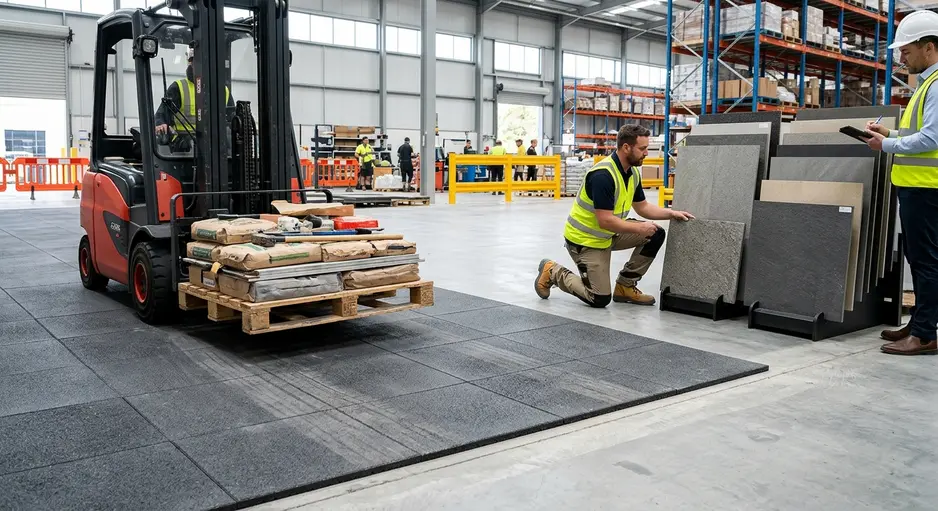
These are thick floor tiles designed for spaces exposed to heavy foot traffic, wheeled equipment, impact, or outdoor weather. Depending on their composition, they may be sold as industrial ceramic, porcelain, full-body, technical, or 15mm vitrified tiles.
How 15mm Tiles Differ From Standard Floor Tiles
Many standard floor products are around 8–10mm thick. A 15mm tile has more material in its body, which may improve breaking and impact performance. Yet the benefit depends on body density, raw materials, firing quality, tile size, and installation support.
Thick industrial products also differ from some 20mm outdoor pavers. A 15mm tile may be designed for bonded installation over concrete. Certain thicker pavers may support pedestal, gravel, or dry-laid systems. Buyers should confirm the approved installation method instead of assuming the products are interchangeable.
Are Thicker Tiles Always Stronger?
No. Thickness is only one part of the strength profile. Buyers should also review the modulus of rupture and flexural strength, breaking strength under concentrated loads, water absorption, body density, and dimensional accuracy.
Tile format also affects performance. A large tile and a smaller tile of equal thickness may respond differently to point loads. Laboratory results should be compared using the same test standard, format, and conditions.
Where Are 15mm Heavy-Duty Tiles Used?
Warehouses and Factories
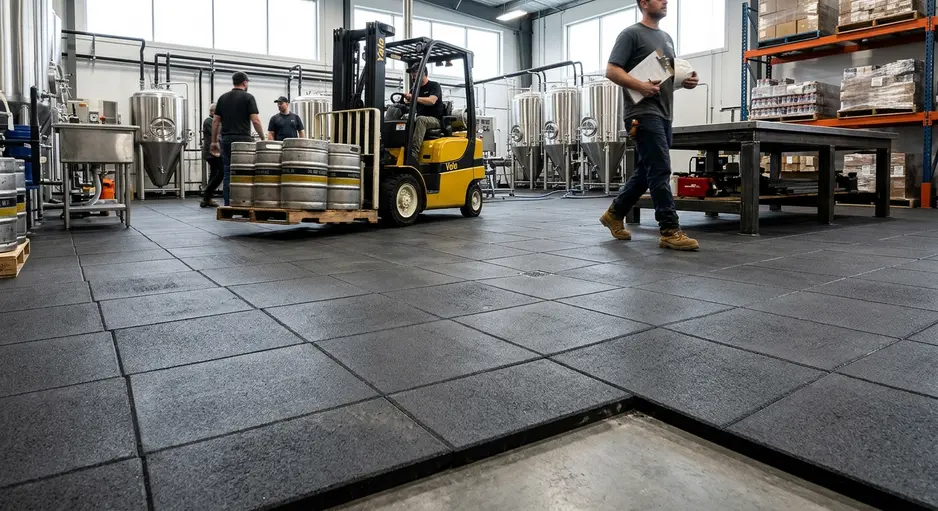
Heavy-duty tiles for warehouses and factories may be used in storage aisles, packaging zones, processing areas, workshops, and assembly facilities. These floors can face pallet movement, trolley wheels, dropped tools, oils, and frequent cleaning.
Forklift use needs special review. Wheel loads, tire type, turning frequency, loaded pallet weight, and substrate stiffness can all affect the floor. Written approval should be obtained for the planned traffic and installation system.
Parking Areas and Driveways
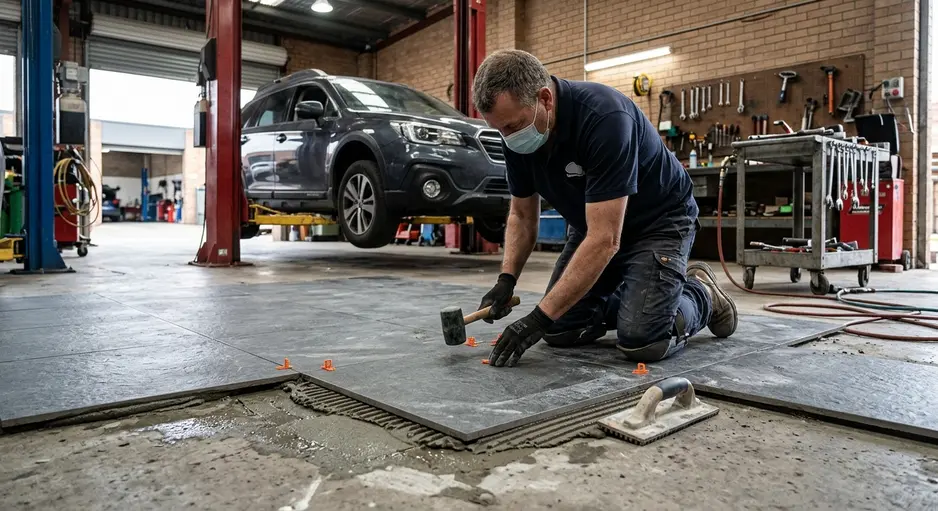
15mm tiles for parking areas and driveways can suit covered parking, residential driveways, and low-speed vehicle zones when the product is approved for that use. A rigid, well-prepared concrete base is normally important for bonded installations.
Designers must account for axle loads as well as forces from braking and turning. Drainage, weather exposure, joint placement, and mortar coverage also need careful planning. A product suitable for parked cars may not be appropriate for constant commercial vehicle movement.
Outdoor Pedestrian and Vehicle Areas
Selected 15mm outdoor tiles can be used on entrances, courtyards, patios, terraces, walkways, and other public spaces. Important checks include slip resistance, low water absorption, thermal shock and weather exposure, and resistance to surface wear.
Outdoor designs also need an effective drainage slope and suitable movement joints. Where freezing temperatures occur, buyers should verify freeze-thaw suitability through current technical documents.
Commercial and Public Spaces
Commercial heavy-duty tiles may be specified for shopping areas, terminals, restaurants, institutions, service corridors, and high-traffic retail floors. In these settings, appearance must be balanced with traction, cleanability, abrasion resistance, and long-term maintenance.
For example, a warehouse with pallet-jack traffic needs strong abrasion performance and full mortar coverage. A wet entrance needs greater surface traction, effective drainage, and a finish that can be cleaned without leaving slippery residue.
Benefits of 15mm Thick Industrial Tiles
Resistance to Impact and Surface Chipping
A dense, well-made tile can handle many routine impacts from trolley wheels, pallet edges, or dropped hand tools. Extra thickness may help, but no ceramic flooring should be described as impact-proof. Severe point impact can still damage the surface or body.
Protection Against Traffic-Related Wear
Abrasion resistance from foot and vehicle traffic is critical in busy spaces. Buyers should request the relevant wear results for the specific product and finish. Surface wear is different from structural strength, so both properties should be reviewed.
Low Water Absorption and Dense Bodies
Low water absorption and body density can support use in wet or weather-exposed locations. Dense bodies are generally easier to maintain and less likely to absorb common spills. Outdoor approval must still cover the local climate and installation conditions.
Maintenance and Design Choice
Industrial floor tiles are available in stone, concrete, neutral, and practical industrial looks. When correctly selected, they can resist stains and compatible cleaning agents while providing a surface that is easy to clean.
Durable products may also reduce lifecycle maintenance and replacement costs. This benefit depends on proper installation and planned upkeep, including periodic checks of grout and movement joints.
Which Specifications Matter for Heavy-Duty Tiles?
Do not rely on terms such as “industrial” or “heavy-duty” without supporting data. Request tested values and clear application approvals. ISO 10545, EN 14411, applicable ASTM methods, ANSI A326.3, and DIN 51130 are among the frameworks commonly referenced for ceramic flooring.
Breaking Strength Under Concentrated Loads
Breaking strength describes the force needed to break a tile under a defined test. It is relevant to pallet legs, trolley wheels, equipment supports, and tires because these can place force over a small contact area.
A laboratory result is not the same as installed load capacity. Actual performance depends on substrate strength and load distribution, mortar coverage, tile size, joints, and the type of moving load.
Modulus of Rupture and Flexural Strength
Flexural strength shows how well a tile resists bending before it breaks. Compare products tested under the same standard and conditions. Ask for a certified report that identifies the product, tile format, method, and declared result.
Abrasion and Impact Resistance
Surface wear should match the expected traffic, cleaning equipment, and contaminants. Factories and workshops also need resistance to impact and surface chipping. A decorative finish intended for light indoor use may not suit hard wheels or frequent material handling.
Slip Resistance in Wet and Oily Conditions
Surface texture and traction levels should reflect real operating conditions. ANSI A326.3 dynamic coefficient testing or DIN 51130 ramp classifications may help with evaluation where applicable. Local rules and project requirements should guide the final choice.
Slip resistance in wet and oily conditions can change due to grease, cleaning residue, wear, or poor maintenance. One rating does not make a surface safe in every environment. Test a sample with likely contaminants and cleaning methods when possible.
Water, Weather, and Chemical Resistance
Review absorption data, thermal-shock performance, and weather suitability. For industrial spaces, check chemical resistance to oils and cleaning agents that will be used on site. Provide the supplier with a list of expected chemicals rather than relying on a general claim.
Dimensions and Flatness
Dimensional tolerance and tile flatness affect joint alignment, mortar contact, and lippage. Request shade and caliber details for bulk orders. Consistent sizing also helps installers maintain an even finish across large floor areas.
- Strength: Request the test method and declared breaking value.
- Flexural performance: Ask for a recognized test report.
- Absorption: Confirm classification and wet-area suitability.
- Wear: Match abrasion data to the planned traffic.
- Traction: Review results for the expected operating conditions.
- Chemicals: Check resistance to actual oils and cleaners.
- Accuracy: Verify size tolerance, caliber, and flatness.
How to Choose 15mm Tiles for High-Load Areas
This heavy-duty tile selection guide focuses on four practical steps. Each one helps prevent the common mistake of choosing a product based only on appearance or thickness.
1. Define Loads and Traffic
List all expected traffic, including pedestrians, pallet jacks, forklifts, cars, and service vehicles. Record whether loads are static or moving. Wheel hardness, contact area, turning, braking, impact, and traffic frequency should also be considered.
2. Match Performance to the Setting
- Warehouses: Prioritize breaking strength, abrasion performance, and flatness.
- Factories: Check chemical resistance, traction, and impact performance.
- Parking areas: Verify vehicle approval, drainage, and base support.
- Outdoor paths: Review slip, absorption, and weather test data.
- Retail floors: Balance wear resistance, appearance, and cleanability.
3. Verify Documents and Samples
Ask for the current technical data sheet, recognized test reports, installation instructions, warranty terms, abrasion data, chemical results, and shade or caliber details. Review a physical sample to assess texture, color, finish, and ease of cleaning.
For a large order, install a trial area. Expose it to realistic traffic, contaminants, and cleaning methods before final approval. This can reveal traction or maintenance issues that are not obvious from a small sample.
4. Calculate Lifecycle Cost
Compare more than the tile price. Include freight, expected breakage, substrate repairs, adhesive or mortar, labor, cleaning, downtime, and future replacement. The cheapest product can cost more if it needs frequent repairs or special maintenance.
Installation Best Practices for 15mm Floor Tiles
Prepare a Strong Supporting Base
A rigid, level, structurally sound concrete base is generally needed in high-load bonded installations. Cracks, deflection, weak screeds, and uneven areas can transfer stress to the finished surface. Unusual machinery or vehicle loads should be assessed by qualified project professionals.
Use a Compatible Mortar System
Adhesive and mortar bed compatibility should be confirmed for the tile body, format, substrate, and service environment. Complete mortar contact is vital. Empty spaces beneath a tile create weak points that may fail under wheels or concentrated loads.
Back-buttering may be recommended for certain formats or applications. Outdoor areas and industrial environments may also require specialized mortar, grout, waterproofing, or crack-control systems.
Plan Movement Joints
Expansion joints for large tiled areas help accommodate movement. Plans may need perimeter, intermediate, structural, and existing joints. Never cover a structural movement joint with a continuous tile finish. Follow the project design, local standards, and installation-system guidance.
Provide Outdoor Drainage
A suitable drainage slope for outdoor installations directs water away from buildings and reduces ponding. Coordinate the slope with waterproofing, drains, joints, thresholds, and edge details. The correct slope varies by site and applicable code.
Protect and Maintain the Floor
Keep traffic off the new floor for the required curing period. Use compatible cleaning products and avoid residue buildup. Inspect grout and movement joints at planned intervals, and replace isolated damaged units before debris or moisture affects the surrounding assembly.
Choosing a Supplier and Comparing Price
What Should You Ask a Heavy-Duty Tile Supplier?
A dependable supplier should provide technical documents for the proposed product and confirm its approved applications. Ask whether the tile is intended for forklifts, cars, outdoor exposure, or only pedestrian use.
- Are test reports and current technical sheets available?
- Are finish, dimensions, shade, and caliber consistent?
- Can bulk project quantities and replacement stock be supported?
- What are the packaging, palletization, and lead-time terms?
- Are samples and installation recommendations available?
What Affects Price and Specifications?
15mm heavy-duty tile price and specifications vary by size, body composition, surface finish, order quantity, testing, packaging, and destination. Full-body, glazed, porcelain, and vitrified products may have different performance profiles and costs.
A bulk heavy-duty tile supplier for industrial projects should help with samples, quantity planning, technical review, and logistics. Buyers can contact Skytouch Ceramic to discuss available 15mm products, finish needs, project quantities, samples, specifications, and shipping options. Always verify current technical data for the intended use.
Buy Best 15mm Heavy-Duty Tiles
Make a System-Based Flooring Decision
15mm heavy-duty tiles can be a durable option for industrial, commercial, parking, and outdoor areas. The final choice should be based on tested performance, actual loads and exposure, substrate and installation design, and reliable supplier documentation.
Do not select a floor by thickness alone. Review technical data, test samples under realistic conditions, and involve qualified installation or design professionals where heavy vehicles or machinery are present. Contact Skytouch Ceramic to request current specifications, samples, quantity support, and a project-based quotation.
FAQs About 15mm Heavy-Duty Tiles
1. Are 15mm tiles suitable for forklift traffic?
They may be, but suitability depends on tested strength, forklift wheel loads, traffic frequency, substrate stiffness, full mortar coverage, and movement-joint design. Obtain written approval for the proposed product and flooring system before specifying it for regular forklift use.
2. Can 15mm tiles be used in parking areas and driveways?
Yes, when the product is rated for vehicles and installed over a suitable supporting base. The design must account for axle loads, turning, braking, drainage, weather, joints, and the proposed installation method.
3. Are 15mm vitrified tiles suitable for outdoor use?
Some are suitable, but thickness does not prove outdoor performance. Verify water absorption, traction, surface finish, thermal shock or freeze-thaw data, and the manufacturer’s approved applications.
4. What are the best 15mm tiles for industrial flooring?
The best 15mm tiles for industrial flooring match the actual environment. Look for documented strength, abrasion resistance, chemical resistance, suitable traction, dimensional consistency, and compatibility with the complete installation system.
5. Are 15mm tiles better than 20mm outdoor tiles?
Not in every case. Bonded 15mm products may work well over prepared concrete, while some 20mm pavers are designed for pedestal or dry-laid systems. Compare approved use, test data, base design, and installation method rather than thickness alone.